Skip to content
24/7 Emergency drainage response 0161 282 8080
Manchester Blocked Drain Co
Manchester emergency drainage team

Local Drainage Services in Stockport

Local engineers available across Stockport and surrounding areas for urgent and planned drainage work.

  • Fast local response across Manchester
  • Fixed prices agreed before work starts
  • No call-out fee
  • 24/7 emergency availability

Trusted by local homeowners, landlords, and businesses

Same-day slots Fully insured Modern equipment Clear reports

Fast callback

Request your free quote

Tell us what is blocked and we will confirm the next available engineer.

24/7 Emergency Response
Fixed Pricing
Local Manchester Engineers
No Call-Out Fee

Local response in Stockport

We attend homes and businesses across Stockport with rapid callout availability and clear fixed pricing.

  • Typical urgent response target: same day
  • Common callouts: blocked sinks, toilets, and outside drains
  • Coverage includes nearby neighbourhoods and links roads

Where we cover in Stockport

Drainage in Stockport

Stockport is a historic market town where the River Mersey is formed by the confluence of the Rivers Tame and Goyt, and this geography is fundamental to understanding the borough's drainage challenges. The town centre sits in the valley at the meeting point of these rivers, with residential areas spreading up onto the surrounding hills — Edgeley, Heaviley, and Heaton Norris to the west; Offerton and Bredbury to the east; and the more affluent areas of Bramhall, Cheadle Hulme, and Hazel Grove extending south toward the Cheshire plain.

The historic town centre, including the area around the famous Stockport Market beneath the railway viaduct and the older streets of Hillgate and Vernon Street, features some of the oldest drainage infrastructure in the borough. Victorian clay pipes serving the Victorian and Edwardian terraces of Edgeley, Heaviley, and Heaton Norris are now 100 to 140 years old. These densely packed residential areas have long terrace rows sharing underground drainage, and fat accumulation, joint deterioration, and tree root intrusion are the most frequent problems encountered.

The River Mersey at Stockport has a history of flooding, and the town has invested significantly in flood management infrastructure. However, properties in the lower-lying areas near the river confluence — in Portwood, Heaton Norris, and along the valley floor — remain at elevated risk during prolonged heavy rainfall when the Mersey and its tributaries are in spate. The combined sewer network in these areas can be overwhelmed during these events, and properties with drainage discharge issues are particularly vulnerable.

Moving south and east, the character changes markedly. Bramhall, Cheadle Hulme, and Hazel Grove feature predominantly post-war and modern housing — 1950s through to recent new-builds — on firmer Cheshire sandstone and boulder clay geology. Tree root intrusion is the dominant drainage challenge here: the established gardens of Bramhall and Cheadle Hulme, many with large ornamental trees planted at the time of construction, present a persistent threat to clay and concrete pipes that are now 60 to 80 years old.

Romiley, Marple, and the areas along the Peak Forest Canal corridor to the east have their own character — mixed Victorian and interwar housing with the canal potentially influencing groundwater alongside canal-side properties. The elevated position of these eastern areas provides good natural drainage gradients, but the rainfall totals are higher here given proximity to the Pennine fringe.

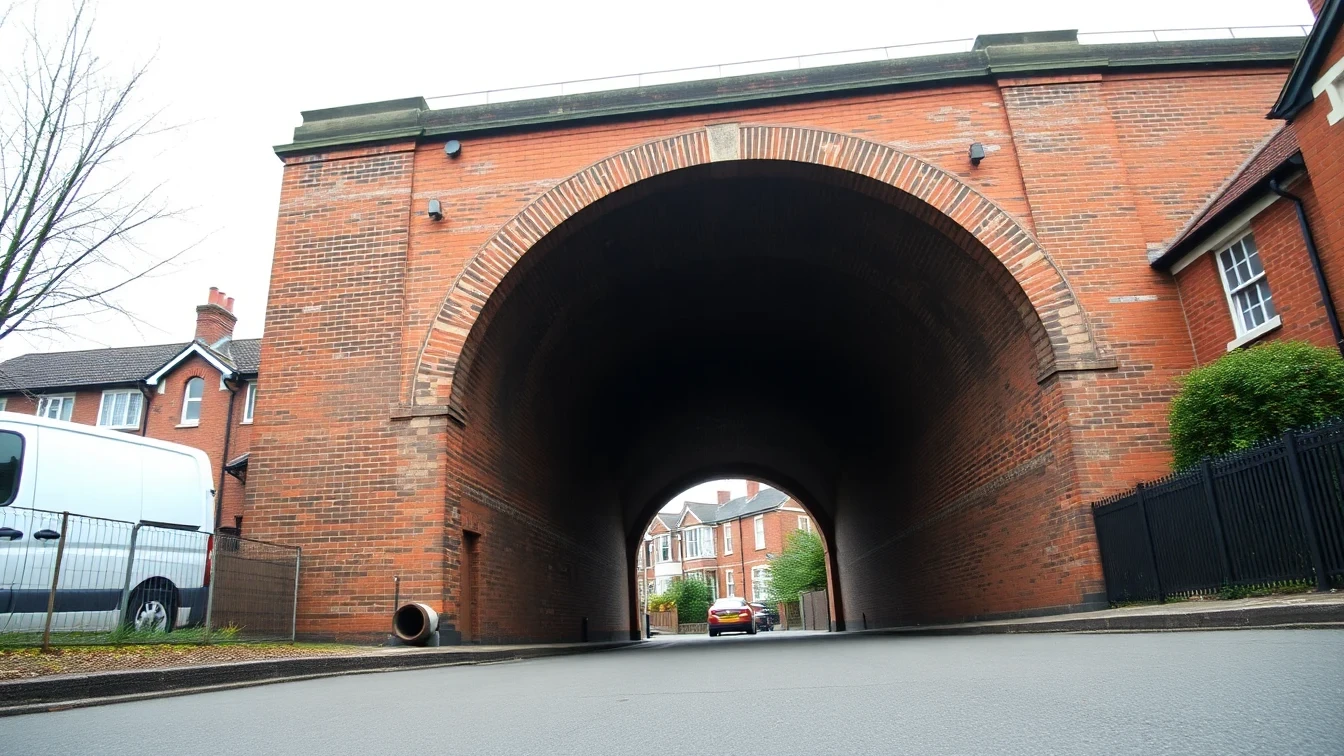
Areas and landmarks we serve near Stockport

Stockport ViaductStockport MarketMerseyway Shopping CentreRiver Mersey at StockportBramhall HallMarple LocksEdgeley Park StadiumCheadle HulmeHazel GroveRomileyHeaton NorrisHeaviley

Recent case study in Stockport

Call-out to a Victorian terrace in Edgeley: the homeowner reported slow drainage from the downstairs bathroom and an intermittent sewage smell near the rear inspection chamber. Rodding had been tried twice with only temporary improvement. Our CCTV survey found the main clay drain had extensive root intrusion from a large lime tree in the neighbour's garden, with root mass filling approximately 50% of the pipe bore across a 10-metre section. The survey also revealed two partial joint displacements where the pipe had settled unevenly, creating silt traps. We cleared the root mass and silt with high-pressure jetting, then installed structural pipe relining throughout the affected section. Result: drainage fully restored, odour eliminated, and all joints sealed against further root entry. Tip: Edgeley and Heaton Norris homeowners in Victorian terraces with mature trees nearby should include a drain CCTV check in their annual maintenance — Stockport's older clay pipes are particularly vulnerable to root intrusion from the well-established street trees and boundary plantings in these areas.

Stockport drainage FAQs

How does the River Mersey affect drainage near Stockport town centre?

The River Mersey forms at Stockport from the confluence of the Tame and Goyt, and both rivers drain large catchments that include the Pennine hills to the east. During prolonged heavy rainfall, all three rivers can rise rapidly, putting pressure on the combined sewer network and increasing flood risk for lower-lying properties in Portwood, Heaton Norris, and along the valley floor. Properties in these areas should consider non-return valves on main drain connections and keep surface drainage clear to reduce backup risk.

What are the main drainage issues in Stockport's Victorian terrace areas?

Edgeley, Heaviley, and Heaton Norris are dominated by Victorian terraced housing with clay drainage now 100 to 140 years old. The main issues are fat and grease accumulation, joint deterioration allowing root intrusion, and occasional partial pipe collapse in the most degraded sections. Long terrace rows mean blockages can affect several neighbours simultaneously. Regular professional jetting prevents fat build-up; structural pipe relining addresses joint deterioration permanently without excavation.

Are Bramhall and Cheadle Hulme properties at risk despite being newer?

Post-war housing in Bramhall, Cheadle Hulme, and Hazel Grove is generally in better drainage condition than the Victorian town centre stock, but these areas have their own challenges. Clay and concrete drainage from the 1950s to 1970s is now reaching the age where maintenance becomes important, and the mature established gardens typical of these affluent suburbs are a significant source of root intrusion. Properties in these areas benefit from CCTV surveys every few years to catch developing root problems before they cause blockages or pipe damage.

Call now Get quote